- 2026-2027
Professional Acupuncture Training for Healthcare Practitioners
Musculoskeletal Health and Pain Management
- 2026-2027
Professional Acupuncture Training for Healthcare Practitioners
Holistic Approach to Mental Health
Clinical Acupuncture & Integrative Healthcare
Professional Acupuncture Training for Medical Doctors, Physiotherapists and Nurses
Athens, Greece – Nicosia, Cyprus
Start Date
October 2026
Qualification
Cert. in Acupuncture
Duration
9 Months 250 Contact Hours
705 Total Learning Hours
Study Format
Blended
(Online & In-Person)
Certification & Recognition
H+RI, IADAPT, AACP, EΣKI, NADA
Cost
From 2.320€
Venue
Ελλάδα
H+R Institute
Athens
Cyprus
University of Nicosia, Nicosia
Enrolment for the 2026–2027 Academic Year Is Now Open!
Why Choose Our Programme?
Our comprehensive acupuncture training programme equips medical doctors, physiotherapists and other healthcare professionals with specialised knowledge and practical clinical skills to confidently integrate acupuncture into their professional practice.
Clinically Relevant, Evidence-Based Training
Flexible Blended Learning
International Standards & Patient Safety
Recognition of Educational Quality by
British Journal of Sports Medicine (BJSM).
Certifications & Partnerships
Accreditation, Professional Recognition & Institutional Partnerships


International Memberships
The Health & Resilience Institute (H+RI), the organisation responsible for delivering the programme, is a member of the World Federation of Chinese Medicine Societies (WFCMS).
Specialised Learning Pathways
Our Professional Acupuncture Training Programme offers three specialised learning pathways, designed to meet the diverse clinical needs and professional interests of today's healthcare practitioners.
Musculoskeletal Health and Pain Management
This specialised pathway is designed for healthcare professionals, particularly medical doctors and physiotherapists, who wish to integrate acupuncture into modern clinical practice. Participants develop the knowledge and practical skills required for effective clinical assessment, safe acupuncture application, and evidence-informed management of musculoskeletal conditions and pain. The curriculum combines the diagnostic and therapeutic principles of Traditional Chinese Medicine (TCM) with contemporary scientific evidence on the physiological mechanisms and clinical applications of acupuncture. This pathway is accredited by the Acupuncture Association of Chartered Physiotherapists (AACP, UK). Physiotherapy graduates are eligible for direct membership of the AACP and IAAPT (World Physiotherapy).
Holistic Approach to Mental Health
This innovative training pathway is specifically designed for psychiatrists (with invasive acupuncture applications) and psychologists (with non-invasive approaches), enabling them to integrate the principles of Traditional Chinese Medicine (TCM) into their clinical practice to support the complementary management of mental health conditions. The curriculum combines foundational TCM theory with evidence-informed acupuncture applications and contemporary biomedical perspectives on mental health and wellbeing. This pathway is ideal for mental health professionals seeking to broaden their therapeutic approaches and provide holistic, patient-centred care while practising within the legal and professional scope of their respective disciplines.
Acupuncture for Midwives – Perinatal and Gynaecological Care
This specialised acupuncture training pathway is designed for midwives seeking to safely integrate evidence-informed acupuncture into perinatal and gynaecological care, including pregnancy, labour, the postpartum period, and supportive care during assisted reproductive treatments such as in vitro fertilisation (IVF). The curriculum combines the principles of Traditional Chinese Medicine (TCM) with contemporary midwifery knowledge and evidence-based clinical approaches, equipping participants with practical skills applicable to women's health and maternity care, within the legal and professional scope of midwifery practice.
Register
Special Rates for Students and Unemployed Professionals!
Request More Information
Interested in our acupuncture training programme or have any questions? Complete the form below, and our team will get in touch with you.
Enquiry Form
Clinical Training & Practical Workshops
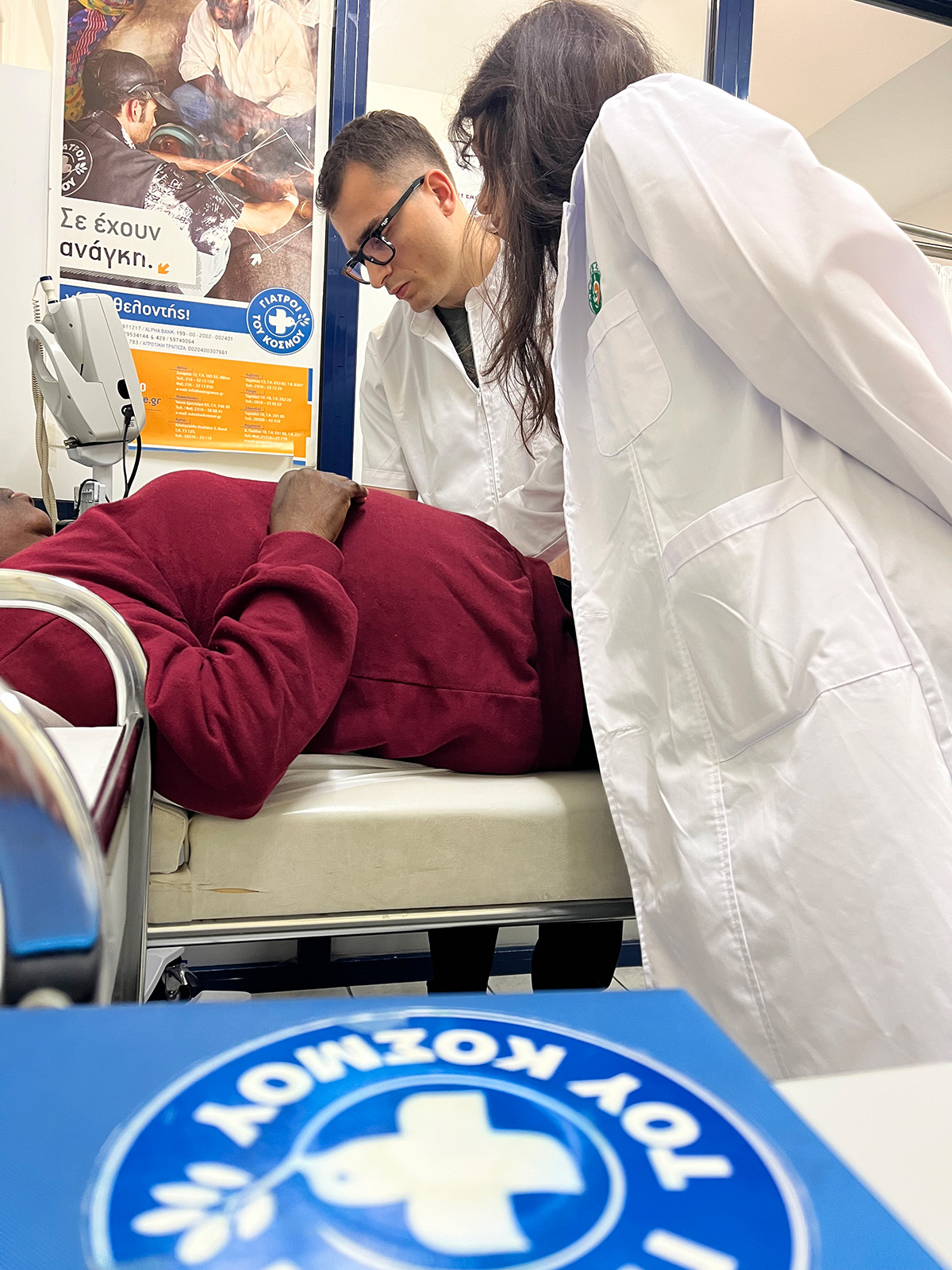
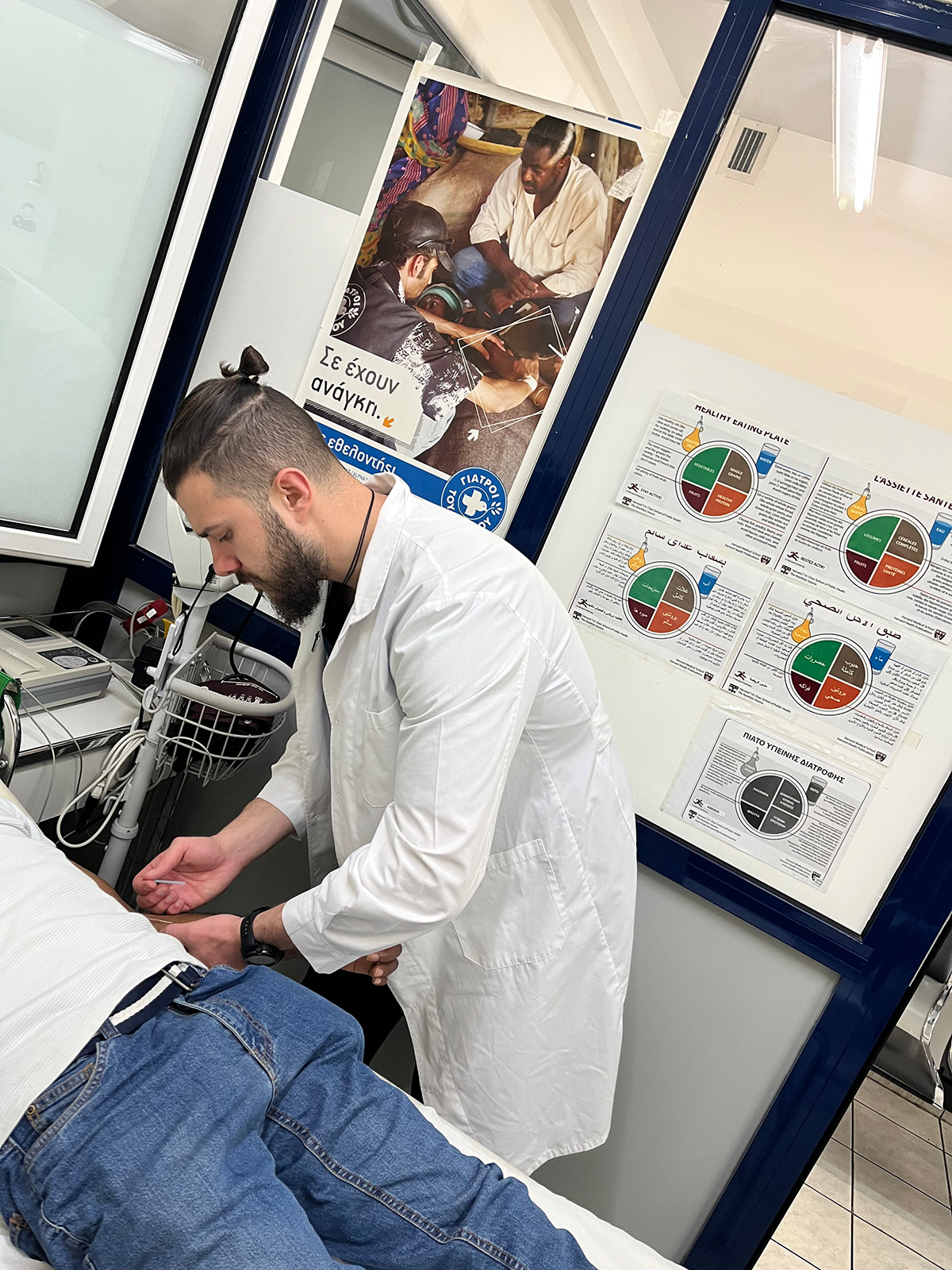
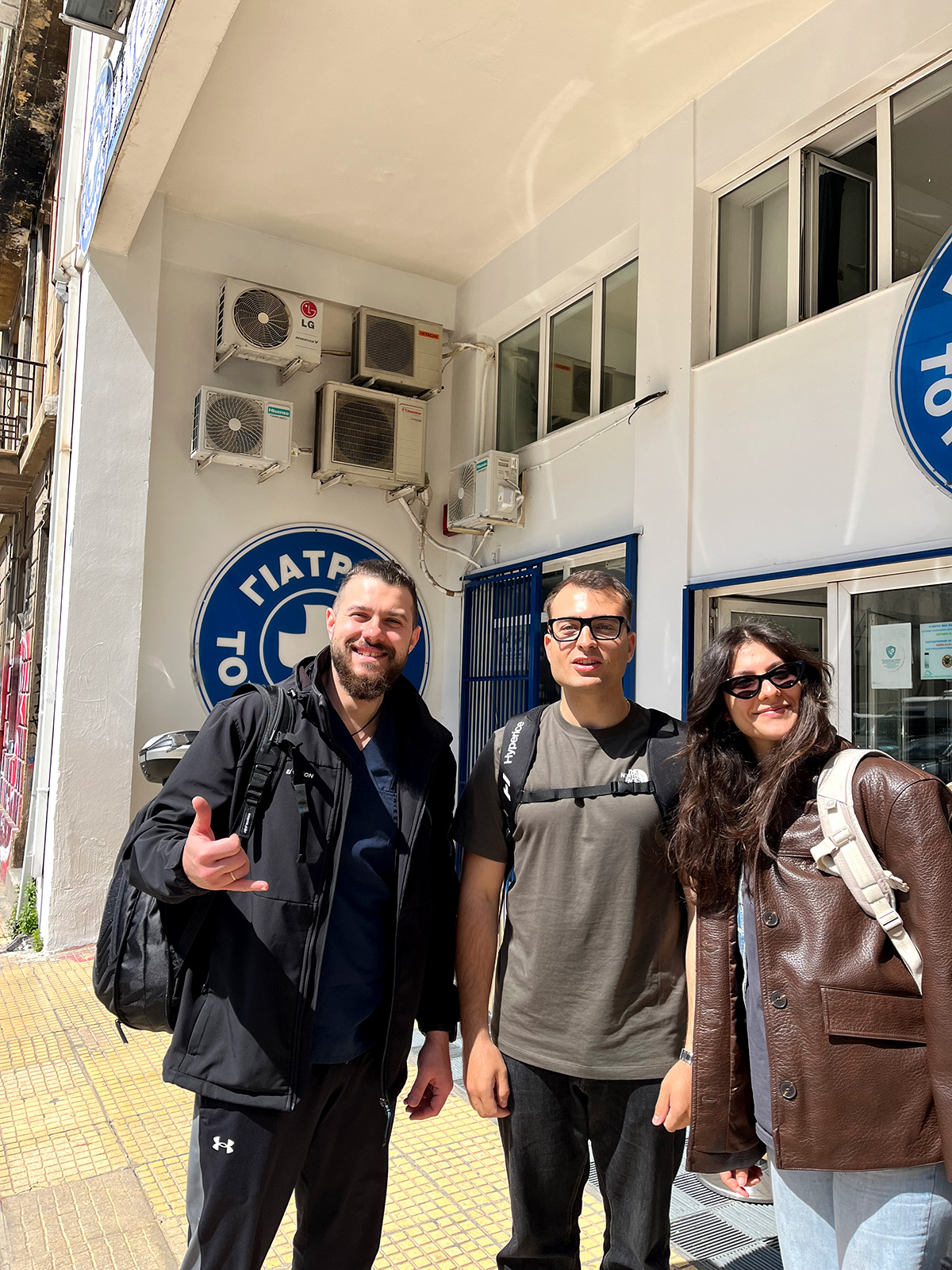
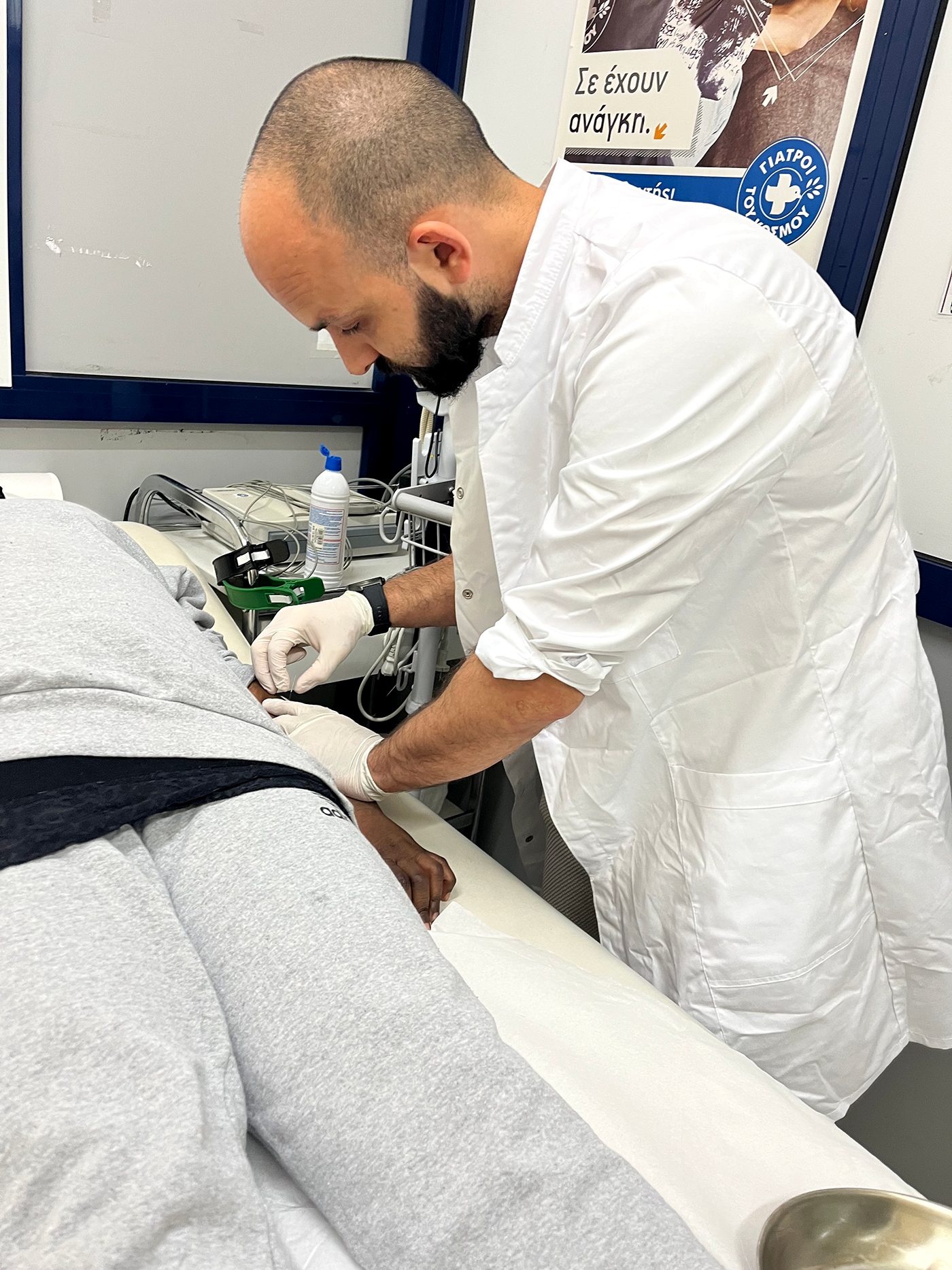
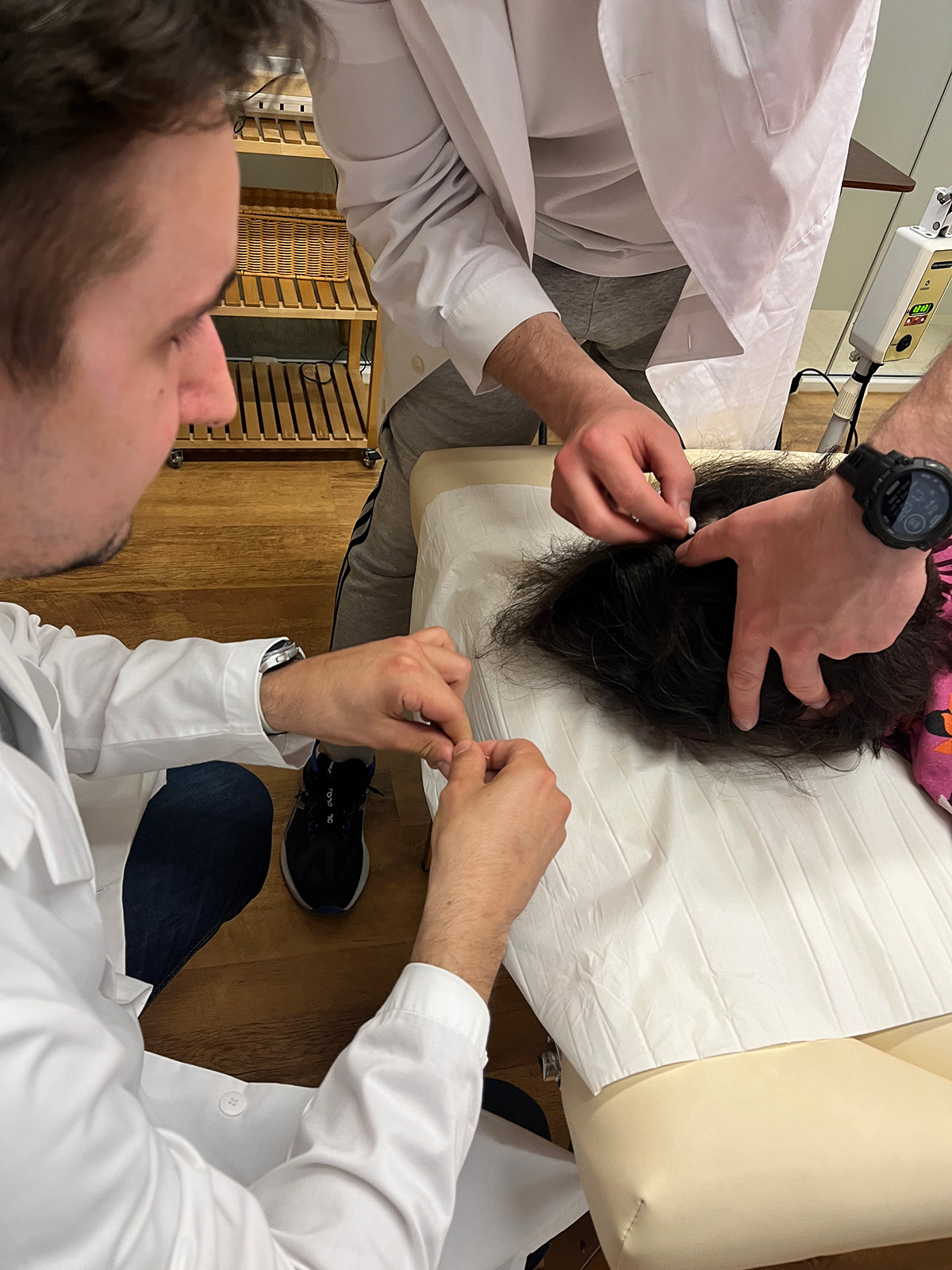
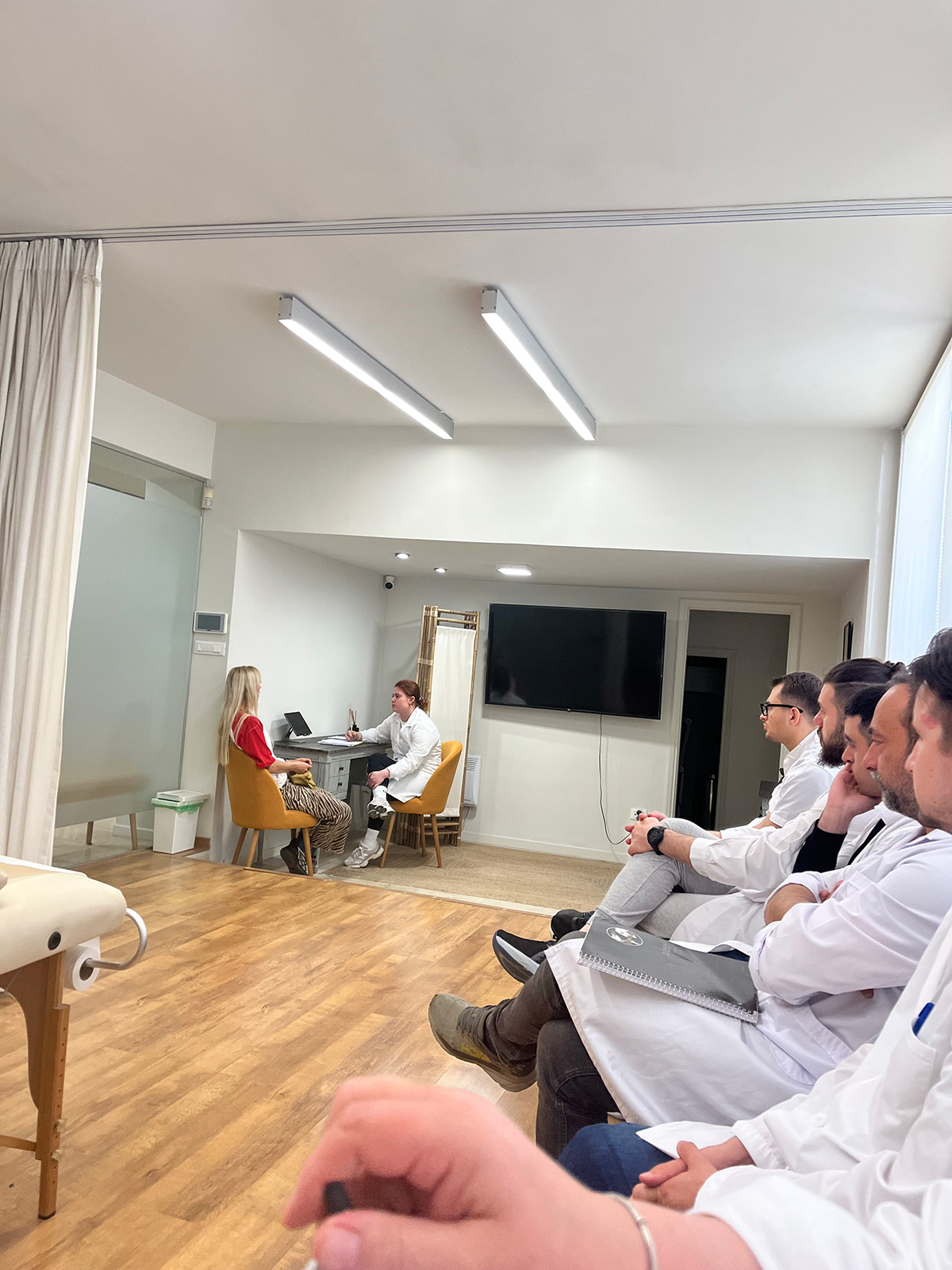
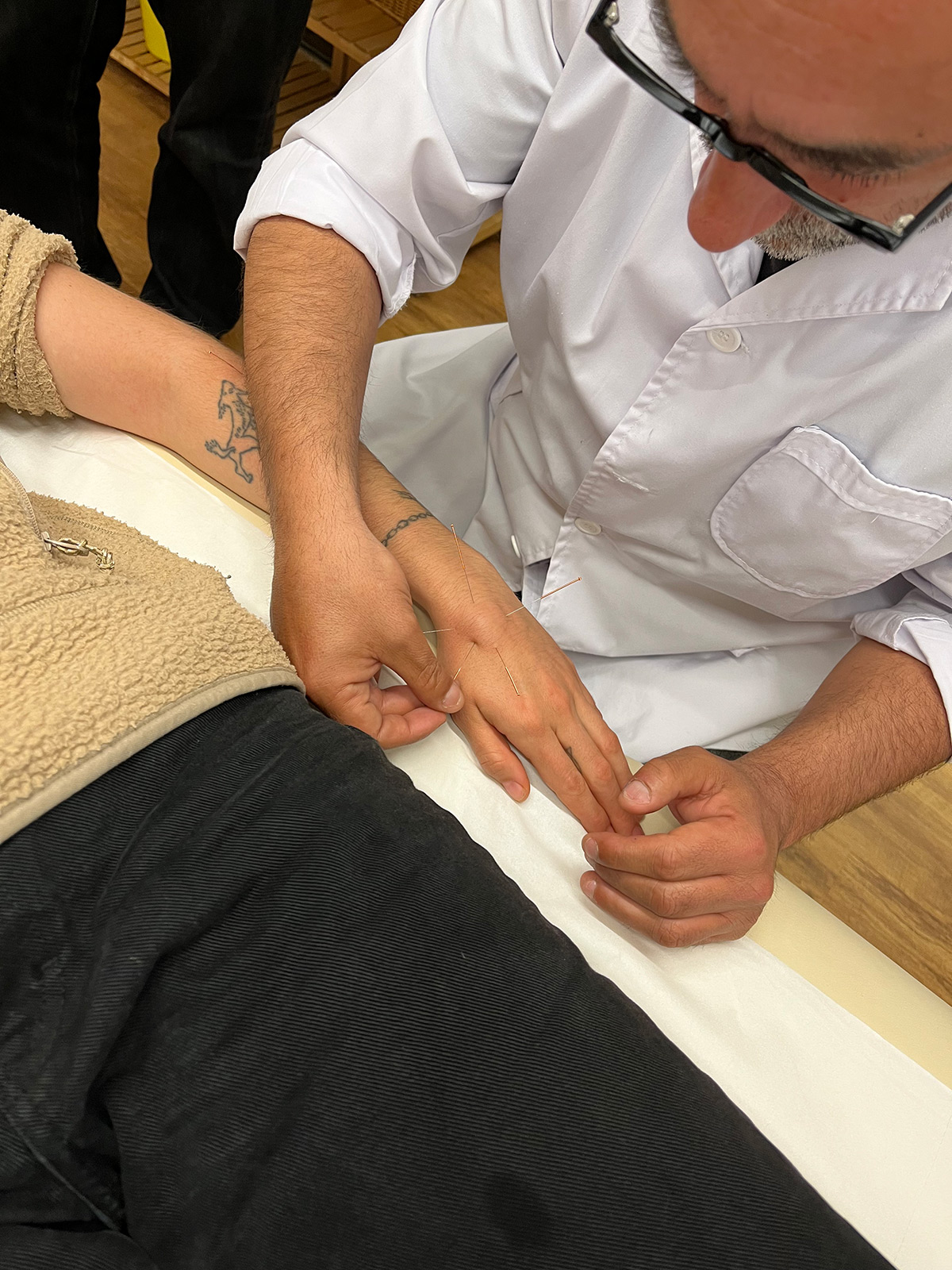
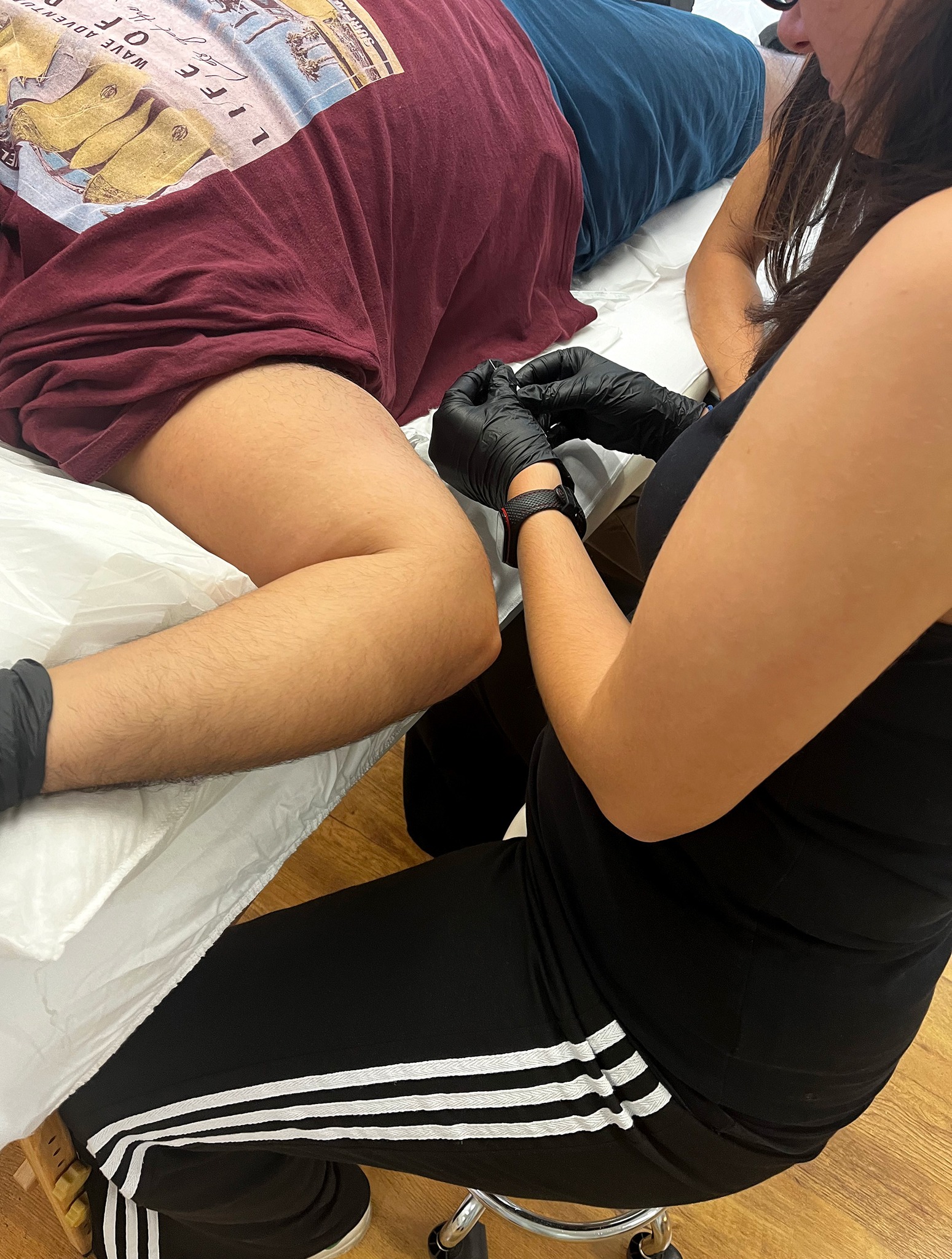
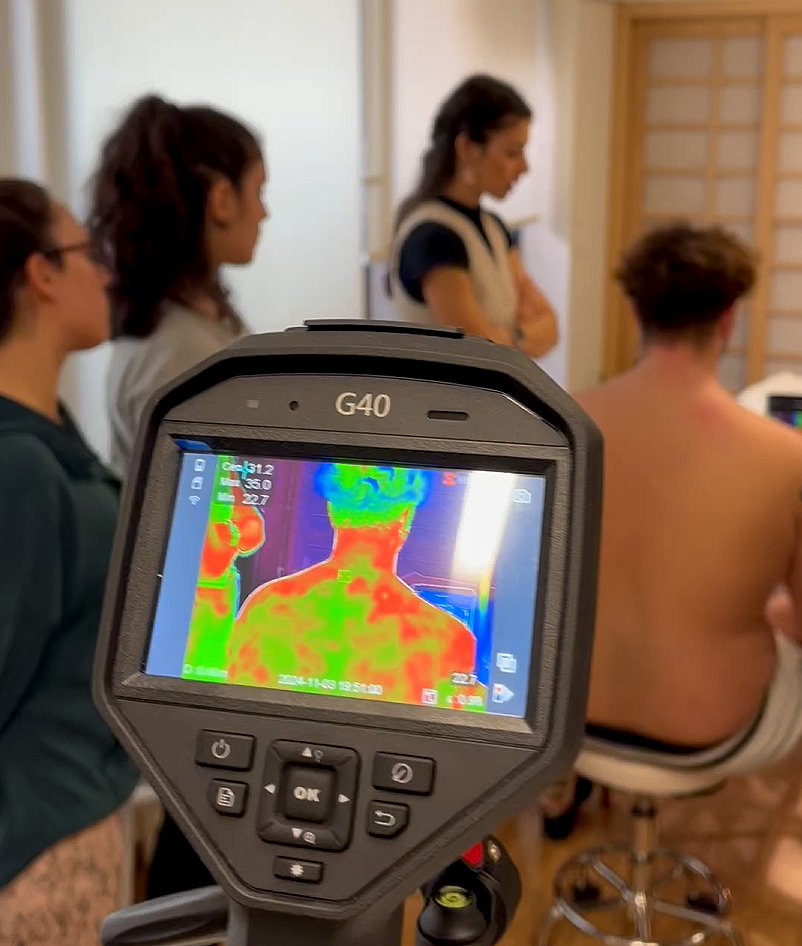
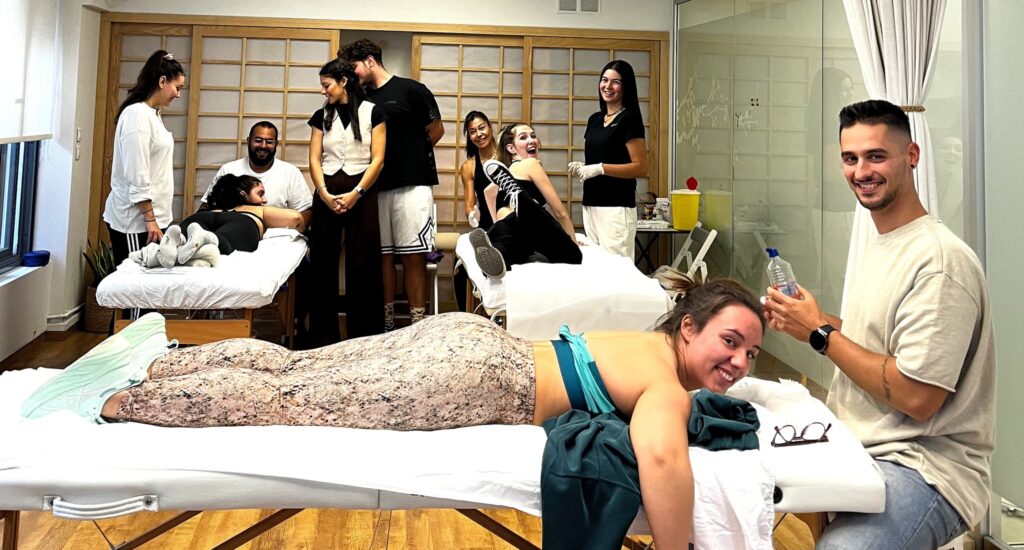
The programme includes 40 hours of in-person practical workshops covering acupuncture, dry needling, the NADA protocol and complementary techniques, alongside 50 hours of supervised clinical practice under the guidance of experienced instructors. Part of the clinical training is delivered in collaboration with Médecins du Monde (Doctors of the World) Greece.
Graduates also have the opportunity to undertake optional additional clinical training at partner institutions in China, Thailand and England.

Course Modules
Module 1. Fundamentals of Traditional Chinese Medicine (TCM)
This module introduces participants to the fundamental principles of Traditional Chinese Medicine (TCM), covering its history, Yin-Yang and Five Element theories, and core concepts such as Qi, Shen, Jing and the Zang-Fu organ systems. Participants explore TCM physiology and pathology, internal and external pathogenic factors, and traditional diagnostic methods, including tongue and pulse diagnosis. The module concludes with clinical case studies and practical training in TCM syndrome differentiation and pattern identification.
Module 2. Traditional Chinese Medicine (TCM) Acupuncture
This module focuses on the fundamental principles and techniques of traditional acupuncture within the framework of Traditional Chinese Medicine (TCM). Participants explore meridian theory, the classification and functions of acupuncture points, and an introduction to acupuncture microsystems, including auricular acupuncture and scalp acupuncture. Particular emphasis is placed on safe clinical practice, indications and contraindications, and essential needling and stimulation techniques, including tonification and reducing methods. The module aims to equip participants with the knowledge and practical skills required for the safe, appropriate and effective application of acupuncture in clinical settings.
This module builds directly on the foundations of Traditional Chinese Medicine (TCM), translating theoretical knowledge into clinical practice. Participants learn to apply TCM pattern differentiation to select appropriate acupuncture points based on the underlying patterns of disharmony and clinical syndromes identified through traditional diagnostic assessment.
Module 3. Medical Acupuncture & Invasive Physiotherapy
This module introduces participants to contemporary Western approaches to Medical Acupuncture and evidence-based Invasive Physiotherapy, with particular emphasis on the neurophysiological and biochemical mechanisms underlying their therapeutic effects. Key topics include neuromodulation, diffuse noxious inhibitory controls (DNIC), endogenous opioid release, and the potential anti-inflammatory effects of acupuncture.
Participants are introduced to specialised techniques, including dry needling for myofascial trigger points, electroacupuncture, laser acupuncture, and other evidence-informed minimally invasive techniques used in contemporary physiotherapy practice.
The module concludes with an introduction to the fundamental principles of Evidence-Based Acupuncture and Evidence-Based Physiotherapy, focusing on the critical appraisal of systematic reviews and clinical studies, and the integration of research evidence into clinical decision-making within modern medicine and physiotherapy practice.
Module 4. The NADA Protocol
The NADA Auricular Acupuncture Protocol is an internationally recognised therapeutic approach used to support individuals experiencing significant psychosocial distress.
This module explores the history and development of the NADA protocol, ear anatomy and auricular point mapping, proposed mechanisms of action, safe clinical application, and the comparative use of group and individual treatment sessions. Participants undertake two stages of supervised practical training and are required to complete a series of documented and assessed volunteer treatment sessions.
Upon successful completion of the training and practical requirements, participants receive official certification in the application of the NADA protocol from NADA Greece (NADA GR).
Module 5. Complementary Traditional Chinese Medicine (TCM) Techniques and Their Modern Clinical Applications
Module 6. Video Lectures (Self-Paced Online Learning)
Through a selection of self-paced online lectures, students explore specialised topics, including the application of Traditional Chinese Medicine (TCM) in neurology, traditional approaches to managing influenza and viral infections, and educational documentaries examining the scientific foundations of acupuncture and its role in contemporary healthcare.
Module 7. Specialisation
At this stage of the programme, participants choose one of two specialised learning pathways:
- Musculoskeletal Health and Pain Management
- Holistic Approach to Mental Health
This module offers specially designed lectures, practical techniques and clinical case studies tailored to the specific needs and professional roles of healthcare practitioners within their chosen specialisation. The aim is to develop an in-depth understanding of acupuncture applications in specialised clinical settings and equip participants with the practical skills and confidence to integrate these approaches into their professional practice.
Module 8. Final Research Project
Students are required to complete an evidence-based final research project on a topic of their choice related to Traditional Chinese Medicine (TCM), acupuncture and their integration into contemporary clinical practice. The project encourages critical thinking, engagement with scientific literature and the development of an independent perspective on the chosen subject. Students are also required to present their research, allowing for the assessment of scientific rigour, theoretical understanding and their ability to effectively communicate research findings.
Module 9. Examinations
Theoretical knowledge is assessed through a final written examination covering all subjects taught throughout the programme. The examination evaluates students’ overall understanding, their ability to integrate knowledge across different modules, and their capacity to apply fundamental principles to clinical scenarios.
Module 10. Clinical Practice & Practical Examination
Clinical training includes supervised treatment sessions in which students apply their knowledge and practical skills under the guidance of qualified instructors. The module concludes with a practical examination (clinical assessment) evaluating each participant’s technical competence, patient safety, clinical reasoning and ability to apply acupuncture appropriately and effectively. The aim is to ensure that graduates develop the practical skills, clinical judgement and confidence required to integrate acupuncture safely into real-world healthcare settings.
Partners & Supporting Organisations
Médecins du Monde (Doctors of the World) Greece
Invasive Physiotherapy and Musculoskeletal Medicine (IPMM)
Academic collaboration with Invasive Physiotherapy and Musculoskeletal Medicine (IPMM), an open-access scientific journal dedicated to advancing research, clinical evidence and professional knowledge in invasive physiotherapy and musculoskeletal medicine.

Hellenic Wushu Kung Fu Federation
The programme is supported by the Hellenic Wushu Kung Fu Federation and incorporates introductory Tai Chi and Qi Gong practices, connecting the theoretical foundations of Traditional Chinese Medicine with mindful movement, breathing techniques and practical application.
 Greek
 English